






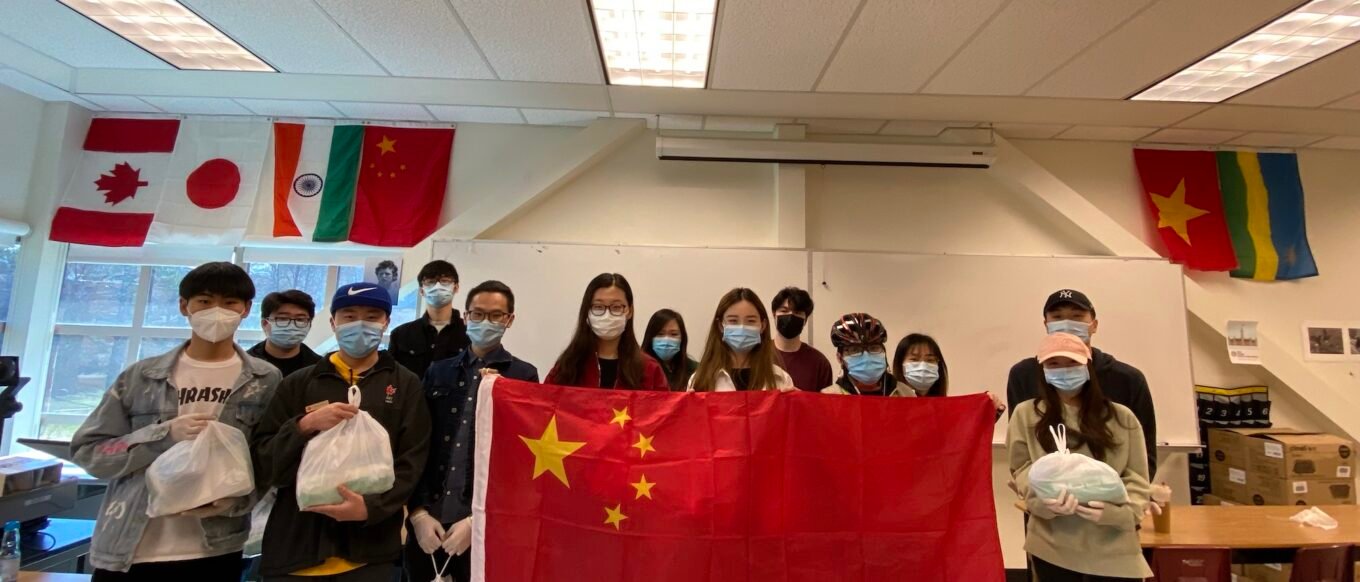
In early 2020, COVID-19 broke out in Wuhan. Back then, I was at Thompson Rivers University (TRU) in Canada, busy preparing for the annual campus Spring Festival Gala. This would be my last time participating in the event, as I was soon to graduate from TRU. Never did I imagine that the virus would sweep across the world in an unprecedented way.

In Canada, I barely felt its impact at first. No one wore masks or practiced social distancing. People merely talked about what was happening in Wuhan as if it were headline news. Thanks to this atmosphere, the Spring Festival Gala went ahead smoothly.
At the beginning of March, the domestic epidemic in China was initially brought under control, while I was busy preparing for my second round of midterm exams. Soon, confirmed cases surged sharply in the United States and Canada. It was then that the university announced a shift to online classes.
A New Norm: Pre-class Self-assessment
The sudden transition was unprecedented in TRU’s 50-year history. Administrators, teachers and students alike had no experience dealing with such a situation. Academic schedules were thrown into disarray, and students could only wait and see. From that point on, I never met my teachers or classmates in person again. All in-person exams were replaced by assignments, and final examinations gave way to essays and group projects.
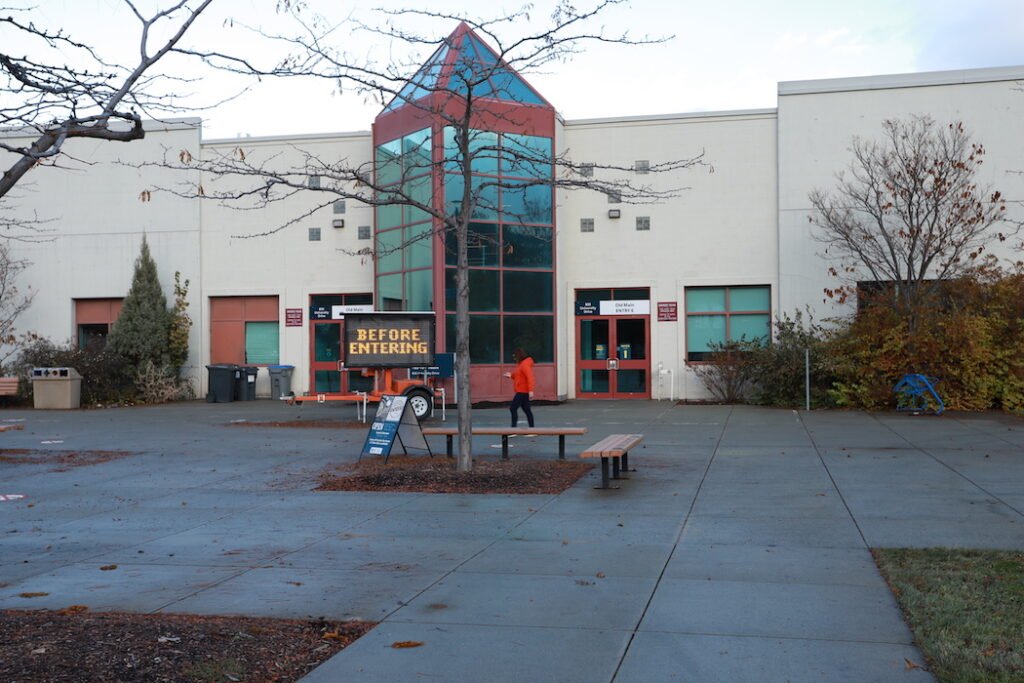
Before I knew it, I had completed my undergraduate studies at TRU.
In normal times with final exams, I could clearly mark the end of my college journey on the exam day. Yet this time, I could not even tell exactly when I finished my studies and graduated. There were no final exams, no graduation ceremony, and not even a group photo with the teachers and classmates who accompanied me through my university years. In a rush, I stepped straight into society.
Returning to Campus Once More
I never expected to come back for further studies. I had made no plans to pursue a postgraduate degree and even booked a flight back to China for May as early as January.
Although the Chinese Embassy assisted graduates in taking temporary charter flights home, I decided to stay in Kamloops to continue my postgraduate studies for various reasons.
I had missed the application deadline for the fall semester. Fortunately, the pandemic led to a drop in international student enrolment at many universities, giving me a chance to secure admission.
The First Week of Online Classes
The university had offered online courses before, but I had rarely taken any prior to 2020. Like most international students, I felt totally lost when the new semester began.
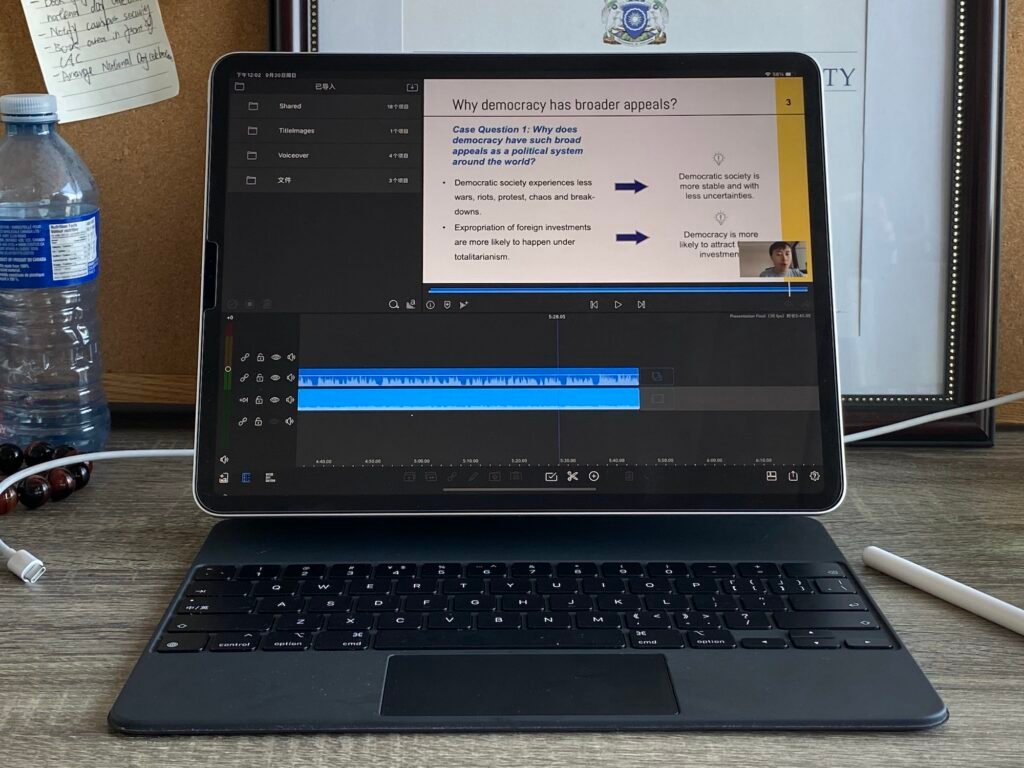
I still remember the first day of the 2020 fall semester vividly. Thousands of students logged onto the school’s learning platform at 8:30 a.m. sharp, only to be greeted by a page loading failure. The first day of online classes ended before it even began. The server crashed under the massive concurrent access, and the entire first week of the new semester was spent waiting for browser pages to load.
TRU adopted an open-source web-based conferencing tool called BigBlue Button on its own server for teachers to use. Integrated into the university’s existing learning system, it was free for all staff and students with no usage limits. Its downside was that it demanded extremely high server performance. To ensure clear audio, many teachers had to disable the screen-sharing function.
Without access to presentation slides, it was easy to get distracted. Some courses relied heavily on on-screen demonstrations, and the lack of screen sharing greatly compromised teaching quality. To fix this issue, many teachers turned to third-party software — most notably Zoom.
Zoom delivered a far better experience for video and audio conferencing. It offered smooth sound quality, simple operations and full screen-sharing features, seemingly solving all our technical troubles with online learning. Just as I was focusing on the slides, a system prompt interrupted me: “Your 40-minute free meeting has ended.” The connection was cut off automatically, and all students were kicked out of the meeting room.
I stared blankly at the screen, confused about what had happened and what to do next. As usual, I checked my email, hoping the teacher would send follow-up instructions.
Since Zoom ran independently of the university’s limited server resources, it solved the problems of video quality and screen sharing. However, the free version capped meetings at 40 minutes, while most of our classes ran longer than that. Upgrading to a paid professional account cost teachers 200 Canadian dollars per year. We soon got the answer via an email:
- Meeting Link 1: 2:00 – 2:40
- Meeting Link 2: 2:40 – 3:30
- Meeting Link 3: 3:30 – 4:10
Our teacher cleverly got around the time limit by splitting one long class into three separate 40-minute sessions.
Downsides of Studying from Home
Students tend to stay more focused in classrooms, where distractions are far fewer. This is not the case at home. A simple phone notification can easily pull your attention away. Distractions also come from your living environment: your roommate might be attending class beside you, or watching videos while you are taking an exam.
Remote learning also calls for strong self-management skills, including time planning and self-discipline. Without in-person supervision or fixed class hours, students have to take full charge of their study progress. You can choose to study steadily every day, or cram frantically right before assessments — the former is undoubtedly the wiser choice. For students with poor self-control, it becomes a real challenge to finish tasks on time and beat procrastination, which means more support from schools is necessary.
The shift also posed great challenges for teachers, especially those less familiar with digital tools. Using online software to deliver knowledge effectively was a steep learning curve. Theoretical courses were manageable, but practical subjects such as photography and music suffered the most. Learning these disciplines through a screen created a barrier; abstract written explanations could never replace hands-on guidance.
Online classes also created huge social barriers for new students. In in-person classes, group discussions and interactive activities help freshmen make friends, expand their social circles and adapt to campus life quickly — opportunities largely lost in remote learning.
Still, students with previous online learning experience adapted much better. According to a survey by College Pulse covering over 5,000 undergraduates across 215 American universities, 68% of students new to remote learning rated its effectiveness as poor, compared with 57% among those who had taken online courses before.
Upsides of Studying from Home
Despite the initial setbacks, many students grew to appreciate online learning over time. No more time wasted on commutes, and no more frustration over delayed buses in winter.
Studying from home saved me countless hours on getting ready and travelling to campus. I could grab a cup of coffee, stay in comfortable pajamas and start class right at 8 a.m. During regular semesters, I had to get up at least one and a half hours before my first class; with online learning, this was cut down to just 30 minutes.
Nearly all teachers recorded lectures for students in different time zones. If I missed a point or forgot what was taught, I could simply replay the video. I no longer had to rush to take notes. I could pause the playback to look up textbooks, or even adjust the playback speed. It felt just like having a personal tutor.
The global switch to remote learning also acted as a catalyst for the education industry, pushing educators to embrace cutting-edge technology. Many edtech companies flourished as a result. Emerging technologies like AI-powered learning analytics and personalized study recommendations are poised to revolutionize the way we learn.
The Post-pandemic Era
Will things ever return to normal after COVID-19 swept the globe? Eventually, the world will recover, and people will travel freely across continents again. I will also head back to campus to continue my postgraduate studies. Yet the pandemic has permanently changed our lifestyles, and the education sector in particular has taken a big leap toward the future.
Digital education will undoubtedly play an increasingly important role in the years ahead. From online learning platforms to AI-enabled teaching, education is moving toward an integrated model combining offline and online resources. Even so, we will continue to face various problems and challenges for a long time to come.